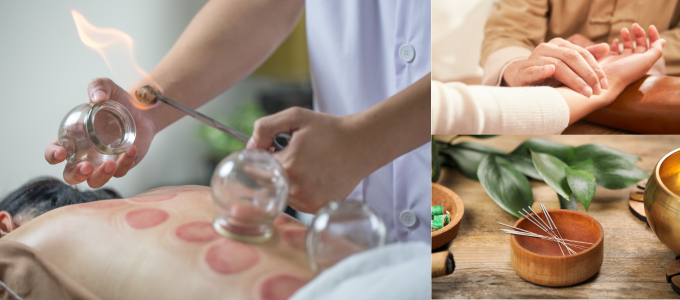


What Does Acupuncture Help With? A Complete Guide to Acupuncture
Acupuncture is often associated with back pain or sore muscles, but those are only some of the reasons people book an appointment.
People seek acupuncture for chronic pain, headaches and migraines, muscle tension, stress, sleep concerns, digestive symptoms, menstrual health, menopause symptoms, fertility support, pregnancy and postpartum care, and other concerns.
So, what does acupuncture actually help with?
Research is stronger for some uses than others. There is good evidence supporting acupuncture as an option for several pain conditions and for reducing the frequency of some headaches and migraines. In other areas, including fertility, menstrual concerns, anxiety, sleep and digestive symptoms, acupuncture is often used as complementary care, but research is more mixed.
At Local Health Integrative Clinic in East Vancouver, acupuncture can be incorporated into an individualized healthcare plan and used alongside services such as Registered Massage Therapy, physiotherapy, naturopathic medicine, counselling and nutrition care.
What Is Acupuncture?
Acupuncture involves the insertion of very thin needles at specific points on the body.
It has been practised for thousands of years as part of Traditional Chinese Medicine. Today, acupuncture is also studied through the lens of modern medicine, particularly in relation to pain processing, the nervous system and physiological responses to stimulation.
The exact mechanisms behind acupuncture are still being studied, and there likely isn’t one single explanation for every effect.
The National Center for Complementary and Integrative Health’s overview of acupuncture research notes that researchers have investigated both specific effects associated with acupuncture needling and broader effects associated with the treatment experience itself.
In British Columbia, acupuncturists are regulated healthcare professionals. The College of Complementary Health Professionals of BC regulates acupuncturists and other complementary health professions within the province.
What Can Acupuncture Help With?
Some of the most common reasons people seek acupuncture include:
- Back pain
- Neck pain
- Shoulder tension
- Chronic pain
- Osteoarthritis-related pain
- Headaches
- Migraines
- Muscle and myofascial pain
- Stress and physical tension
- Anxiety symptoms
- Sleep difficulties
- Menstrual discomfort
- Perimenopause and menopause symptoms
- Fertility support
- Pregnancy and postpartum support
- Digestive symptoms
- Irritable bowel syndrome
- Nausea
- Seasonal allergy symptoms
- Jaw and facial tension
- General relaxation and well-being
- Facial rejuvenation and cosmetic acupuncture
That does not mean acupuncture has been proven to treat every condition on this list.
A more useful question is whether acupuncture has evidence for the particular problem you are experiencing and whether it makes sense as part of your overall healthcare plan.
Acupuncture for Chronic Pain
Pain is one of the most extensively studied uses of acupuncture.
The NCCIH review of acupuncture effectiveness and safety reports evidence suggesting acupuncture may be helpful for several painful conditions, including back and neck pain, knee pain associated with osteoarthritis and postoperative pain.
A large analysis included by NCCIH looked at data from more than 6,000 people experiencing back pain, neck pain, osteoarthritis or headaches and found that benefits following acupuncture treatment could persist after treatment ended for several of these conditions.
The UK’s National Institute for Health and Care Excellence, or NICE, also includes a course of acupuncture or dry needling as an option that can be considered for people with chronic primary pain. Read the NICE chronic pain recommendations
People experiencing chronic pain may look into acupuncture when pain:
- Has persisted for months
- Continues to return
- Interferes with work or daily activities
- Limits exercise or movement
- Disrupts sleep
- Creates ongoing muscle tension
- Has not fully responded to another treatment
- Requires a broader approach to symptom management
Acupuncture can also be combined with other forms of care rather than being used by itself.
Acupuncture for Back Pain
Back pain is one of the most common reasons people book acupuncture.
Pain may develop after an injury, from repetitive activity, prolonged sitting, physical work or gradually over time without one obvious cause.
The NCCIH review reports that studies have found acupuncture more effective than receiving no acupuncture for some types of back and neck pain. The evidence has been stronger for chronic low-back pain than acute low-back pain.
Acupuncture does not replace an appropriate medical assessment when back pain is severe, unexplained or associated with neurological symptoms.
For ongoing musculoskeletal pain, however, it may form one part of a larger plan that includes movement, strengthening, physiotherapy, massage therapy or other healthcare.
Acupuncture for Neck and Shoulder Pain
Neck and shoulder pain can result from many different factors, including:
- Desk and computer work
- Repetitive movements
- Previous injuries
- Muscle tension
- Changes in movement
- Physical work
- Stress
- Headache or jaw tension
Some people experience pain, while others primarily notice stiffness, reduced range of motion or muscles that constantly feel tight.
Acupuncture has been researched as a treatment option for neck pain, although individual results vary and the underlying cause of the discomfort still matters.
Acupuncture for Headaches
People with recurring headaches may seek acupuncture to reduce how frequently headaches occur rather than simply treating an individual headache once it has started.
Tension-type headaches are particularly relevant.
A Cochrane review of acupuncture for tension-type headaches examined 12 trials involving more than 2,300 adults. The researchers concluded that a course of acupuncture could be a useful option for people experiencing frequent tension-type headaches, while also noting limitations within the available research.
People may seek acupuncture for headaches associated with:
- Neck tension
- Shoulder tension
- Jaw clenching
- Stress
- Frequent tension headaches
- Recurring headache patterns
Headaches that are new, suddenly severe, changing significantly or accompanied by neurological symptoms require medical assessment.
Acupuncture for Migraines
Migraine is another area where acupuncture has been studied extensively.
A Cochrane review of acupuncture for migraine prevention looked at 22 trials involving almost 5,000 people.
The review found that adding acupuncture to usual care reduced migraine frequency for some participants. Acupuncture also showed a small benefit compared with sham acupuncture, although that difference was much smaller than the difference between acupuncture and receiving no acupuncture.
NCCIH similarly reports moderate-quality evidence that acupuncture may reduce migraine frequency.
For someone experiencing recurring migraines, acupuncture may therefore be considered as one possible preventative strategy alongside their existing medical treatment.
Acupuncture for Osteoarthritis and Joint Pain
Osteoarthritis can contribute to joint pain, stiffness and difficulty moving comfortably.
Research into acupuncture has focused particularly on knee osteoarthritis.
NCCIH reports that studies have found acupuncture may help with osteoarthritis-related pain, with much of the positive research involving the knee. Evidence for hip osteoarthritis is less clear.
Acupuncture cannot reverse structural changes within an arthritic joint. The goal is generally symptom management.
It may be used alongside exercise, physiotherapy, strength training, medication and other recommendations from a person’s healthcare team.
Acupuncture for Muscle and Myofascial Pain
Muscle pain does not always come from a clear injury.
People may experience persistent muscular discomfort in areas such as the:
- Upper back
- Shoulders
- Neck
- Lower back
- Hips
- Glutes
- Legs
- Jaw
NCCIH notes that research into acupuncture for myofascial pain has shown some favourable results, particularly when acupuncture is applied to trigger points, although the body of evidence is smaller than for conditions such as back pain.
Depending on the practitioner and individual treatment plan, acupuncture may sometimes be combined with techniques such as Gua Sha, cupping or other approaches rooted in Traditional Chinese Medicine.
Acupuncture for Fibromyalgia
Fibromyalgia can involve widespread pain as well as fatigue, sleep difficulties and other symptoms.
Research summarized by NCCIH found that acupuncture performed better than sham acupuncture for pain in a review involving people with fibromyalgia, although the evidence was rated low to moderate in quality.
Because fibromyalgia is a complex chronic condition, acupuncture is generally considered one possible component of a broader treatment plan rather than a standalone solution.
Can Acupuncture Help With Stress?
Stress is not only emotional. It can also show up physically.
People experiencing prolonged stress may notice:
- Tight shoulders
- Jaw clenching
- Headaches
- Restlessness
- Difficulty winding down
- Sleep changes
- Digestive changes
- Fatigue
- Changes in appetite
- Muscle tension
- A feeling of constantly being “on”
Many people seek acupuncture because the appointment itself provides time to slow down and because they are experiencing physical symptoms associated with stress.
Research into acupuncture specifically for anxiety is less conclusive than research into acupuncture for pain.
The NCCIH review of acupuncture and anxiety reports some evidence that acupuncture may reduce anxiety symptoms, but the overall quality of the research remains limited. More high-quality studies are needed before firm conclusions can be drawn.
Acupuncture should not replace counselling, medication or other appropriate treatment for an anxiety disorder.
It can, however, be considered as complementary care for someone who finds acupuncture helpful for relaxation, tension or other stress-related physical symptoms.
Can Acupuncture Help With Sleep?
Sleep is another common reason people seek acupuncture.
People may experience:
- Difficulty falling asleep
- Frequent waking
- Early waking
- Restless sleep
- Sleep disrupted by pain
- Difficulty relaxing before bed
- Changes in sleep during stressful periods
- Sleep changes associated with perimenopause or menopause
The research here is promising but not definitive.
The NCCIH review of complementary approaches for sleep disorders discusses a review of 11 acupuncture studies involving 775 participants. The review suggested acupuncture might help improve insomnia, but the studies were small, varied significantly and were considered low quality.
Cognitive behavioural therapy for insomnia, or CBT-I, remains a much more strongly established treatment for chronic insomnia.
Acupuncture is therefore better described as possible complementary support for sleep rather than a proven replacement for insomnia treatment.
Acupuncture for Hormonal Health
“Hormonal balance” can mean many different things, which makes it important to be specific when discussing acupuncture and hormones.
People may seek acupuncture while experiencing:
- Menstrual changes
- Menstrual discomfort
- Premenstrual symptoms
- Perimenopause
- Menopause
- Fertility concerns
- Stress occurring alongside hormonal changes
Acupuncture should not be presented as universally “balancing hormones” or correcting an underlying hormonal disorder.
Hormonal symptoms can result from many conditions, including thyroid disorders, polycystic ovary syndrome, endometriosis, menopause and other medical concerns.
For this reason, unexplained or significant hormonal symptoms should also receive appropriate medical investigation.
At Local Health, acupuncture can form one part of an integrative approach that considers symptoms, lifestyle, nutrition and other healthcare needs.
Acupuncture for Menstrual Pain and Period Concerns
Menstrual concerns are a common reason people seek acupuncture, particularly when experiencing cramping, discomfort or other symptoms around their menstrual cycle.
The research is mixed.
A Cochrane review examining acupuncture and acupressure for period pain included 42 trials involving more than 4,600 participants.
The researchers found that the quality of the available evidence was low or very low and concluded that there was insufficient evidence to determine whether acupuncture or acupressure effectively treated primary period pain.
This distinction is important.
People do seek acupuncture for menstrual symptoms, and some individuals find it helpful, but current research does not justify saying acupuncture has been proven to treat period pain.
Severe menstrual pain, unusual bleeding, sudden cycle changes or symptoms that interfere significantly with daily life should also be medically assessed.
Acupuncture for Perimenopause and Menopause
Hot flashes, night sweats, sleep changes and menstrual changes can all occur during the transition through perimenopause and menopause.
Acupuncture has been studied for menopausal hot flashes.
A research review summarized by NCCIH found that acupuncture performed better than receiving no acupuncture in reducing the frequency and severity of hot flashes and related symptoms. However, acupuncture was not shown to be better than sham acupuncture.
That means the research is interesting, but it does not support promising that acupuncture will treat menopause symptoms for everyone.
For people who are interested in complementary approaches during perimenopause or menopause, it can still be reasonable to discuss acupuncture with a qualified practitioner.
Does Acupuncture Help With Fertility?
Acupuncture and fertility receive a lot of attention online, and unfortunately, some of the claims go far beyond what current research supports.
People may use acupuncture while:
- Preparing to try to conceive
- Trying to conceive naturally
- Going through fertility investigations
- Receiving fertility treatment
- Undergoing IVF
- Experiencing stress associated with fertility treatment
However, acupuncture should not be promoted as a treatment that guarantees pregnancy or improves IVF success rates.
NCCIH reports that a 2021 review of six studies involving more than 2,500 participants found no difference in pregnancy or live-birth rates between acupuncture and sham acupuncture during IVF treatment.
This does not mean someone going through fertility treatment cannot choose acupuncture.
Instead, acupuncture is more appropriately discussed as complementary support during what can be a physically and emotionally demanding period.
At Local Health, Mariana Noelle, R.Ac has more than 10 years of clinical experience and a particular interest in hormonal health, fertility, pregnancy, postpartum care, digestive health and nutrition.
Learn more about Mariana Noelle, R.Ac and her approach to acupuncture
Acupuncture During Pregnancy
Some people continue or begin acupuncture during pregnancy.
Pregnancy requires additional considerations when planning acupuncture treatment, so it is important to tell your acupuncturist if you are pregnant or think you may be pregnant.
Acupuncture may be sought as supportive care during pregnancy, but it should never take the place of appropriate prenatal medical care.
New bleeding, severe pain, reduced fetal movement or other concerning pregnancy symptoms require assessment through the appropriate medical provider.
Acupuncture for Postpartum Support
The postpartum period can involve significant physical, hormonal and emotional changes.
Some people seek acupuncture during this time to support general well-being or address concerns such as physical tension, stress or changes in sleep.
Again, acupuncture works best here as part of a larger healthcare picture.
Persistent pain, significant mood changes, unusual bleeding, fever or other concerning postpartum symptoms need appropriate medical assessment.
Can Acupuncture Help With Digestion?
Digestive symptoms are an important part of many Traditional Chinese Medicine practices and are one of Mariana’s particular areas of clinical interest.
People may seek acupuncture while experiencing:
- Bloating
- Abdominal discomfort
- Nausea
- Changes in bowel habits
- Appetite changes
- Digestive symptoms associated with stress
- Irritable bowel syndrome
- Recurring gastrointestinal discomfort
Research varies considerably depending on the digestive condition.
For irritable bowel syndrome, NCCIH reports that a review of 41 studies involving more than 3,400 participants found acupuncture was not more effective than sham acupuncture for IBS symptoms. There was, however, some evidence of potential benefit when acupuncture was added to other forms of treatment.
This means acupuncture should not be promoted as a cure for IBS.
For someone living with digestive symptoms, it may instead be one component of care alongside dietary assessment, medical investigation and other appropriate treatment.
At Local Health, this is also where having multiple healthcare disciplines under one roof can be particularly helpful.
Acupuncture for Nausea
Acupuncture has also been researched for nausea and vomiting.
One area with supportive research is nausea and vomiting related to cancer treatment. NCCIH notes that experts generally consider acupuncture helpful for treatment-related nausea and vomiting, although much of the research predates today’s standard anti-nausea treatments.
Nausea can have many causes, so ongoing or unexplained nausea should always be investigated rather than simply treated as an isolated symptom.
Acupuncture for Seasonal Allergies
Seasonal allergies are another condition that has been researched.
According to NCCIH, studies have found evidence suggesting acupuncture may reduce nasal symptoms associated with allergic rhinitis or hay fever.
This does not mean someone should discontinue allergy medications or other treatment without speaking with their healthcare provider.
Instead, acupuncture may be one complementary option for people interested in additional symptom-management strategies.
Acupuncture and Urinary Stress Incontinence
One less commonly discussed area of acupuncture research involves stress urinary incontinence.
Stress incontinence involves urine leakage when pressure is placed on the bladder through actions such as coughing, sneezing, laughing or exercise.
NCCIH highlights a study involving approximately 500 women in which electroacupuncture was associated with reduced urinary leakage.
Urinary changes can have many causes, however, and new symptoms should be properly assessed.
Acupuncture for Depression and Mental Health
Acupuncture should not be presented as a replacement for mental healthcare.
Some research has examined acupuncture for symptoms of depression. NCCIH reports that a review involving more than 7,000 participants found possible reductions in depression severity, but most of the included studies were considered low or very low quality.
Anyone experiencing depression should have access to appropriate mental health support.
At Local Health, acupuncture can be used alongside services such as clinical counselling where appropriate, rather than positioning one treatment as a substitute for another.
Acupuncture for Facial Rejuvenation
Facial acupuncture, sometimes called cosmetic acupuncture, is another reason people seek treatment.
Unlike acupuncture for chronic pain or migraine prevention, cosmetic acupuncture does not have the same depth of high-quality clinical evidence behind it.
It is therefore important not to promise results such as reversing aging, permanently removing wrinkles or producing the equivalent of a cosmetic medical procedure.
People may instead choose facial acupuncture as part of a broader self-care or skin-care routine.
Mariana offers holistic facials and cosmetic acupuncture as part of her interest in facial rejuvenation and graceful aging.
Her approach may incorporate acupuncture with other holistic facial techniques while focusing on the individual rather than promising a specific cosmetic outcome.
What Happens During an Acupuncture Appointment?
An initial acupuncture appointment usually begins with a conversation.
Your acupuncturist may ask about:
- The primary reason you booked
- When your symptoms began
- Your medical history
- Current medications
- Previous injuries
- Sleep
- Digestion
- Stress
- Menstrual health when relevant
- Pregnancy when relevant
- Other healthcare you are receiving
- Your goals for treatment
Your treatment is then planned based on your individual situation.
Thin, sterile acupuncture needles are inserted at selected points and generally remain in place while you rest.
Treatment plans can vary significantly between people.
Someone seeking care for chronic back pain may require a very different approach from someone booking for headaches, fertility support or facial acupuncture.
Does Acupuncture Hurt?
Acupuncture needles are extremely thin.
Many people feel little or no sensation when a needle is inserted. Others may notice a brief pinch, heaviness, warmth, tingling or an aching sensation around an acupuncture point.
You should always tell your acupuncturist if something feels painful or uncomfortable.
Treatment should be a collaborative process, and your practitioner can adjust the session when needed.
Is Acupuncture Safe?
Acupuncture is generally considered safe when performed appropriately by a qualified practitioner.
As with any procedure that penetrates the skin, there are risks.
NCCIH notes that serious complications are uncommon but can occur when acupuncture is performed improperly, including infection and injury.
This is one reason to receive treatment from a properly regulated practitioner.
In BC, Registered Acupuncturists are regulated through the College of Complementary Health Professionals of BC.
How Many Acupuncture Treatments Do You Need?
There is no universal number.
Treatment frequency depends on:
- What you are being treated for
- How long you have experienced the problem
- How severe the symptoms are
- Your response to treatment
- Other healthcare you are receiving
- Your treatment goals
Some concerns may involve a short course of relatively frequent treatment. Others may require appointments spread over a longer period.
Research on headache prevention, for example, has often looked at courses involving multiple acupuncture sessions rather than evaluating acupuncture after a single appointment. The Cochrane reviews of migraine and tension-type headaches both examined treatment delivered as a course rather than a one-time intervention.
Your acupuncturist can recommend a starting schedule and reassess it based on how you respond.
Does Acupuncture Work Right Away?
Some people notice a change after an early treatment, while others require several sessions before they can determine whether acupuncture is helping.
The type and duration of the condition matter.
A temporary muscle complaint, for example, is very different from chronic migraine or pain that has been present for several years.
Rather than expecting a dramatic response after one treatment, it can be more useful to establish measurable goals.
These might include:
- Fewer headache days
- Reduced pain intensity
- Improved range of motion
- Less frequent symptom flare-ups
- Better ability to perform everyday activities
- Reduced physical tension
These markers make it easier to evaluate whether treatment is helping.
Acupuncture as Part of Integrative Care
One of the advantages of receiving acupuncture within an integrative clinic is that one treatment does not have to carry the entire burden of care.
A person with chronic back pain might benefit from acupuncture alongside physiotherapy and massage therapy.
Someone with digestive concerns may also need dietary or medical assessment.
Someone experiencing anxiety may benefit from counselling while using acupuncture to address physical tension and stress.
Someone experiencing fertility concerns may work with their fertility specialist while choosing acupuncture as complementary support.
The question is not necessarily, “Should I choose acupuncture instead?”
Often, a better question is, “Could acupuncture add something useful to the care I am already receiving?”
Acupuncture in East Vancouver With Mariana Noelle, R.Ac
At Local Health Integrative Clinic, Mariana Noelle, R.Ac is a Registered Acupuncturist and Certified Nutrition Practitioner with more than 10 years of clinical experience.
Her areas of focus include:
- Hormonal and menstrual concerns
- Fertility
- Pregnancy
- Postpartum care
- Digestive and nutritional health
- Facial rejuvenation
- Cosmetic acupuncture
Mariana’s approach combines acupuncture with a broader interest in nutrition, lifestyle and individualized holistic care.
Appointments are designed to feel calm and grounded, with treatment adapted to the person rather than applying the same approach to everyone.
If you’re interested in acupuncture for pain, hormonal health, fertility, digestion or general well-being, you can learn more about Mariana and her areas of care here:
Meet Mariana Noelle, Registered Acupuncturist at Local Health
You can also learn more about acupuncture at Local Health Integrative Clinic.
Common Questions About Acupuncture
What does acupuncture help with?
Acupuncture has the strongest research support for several pain conditions, including chronic low-back and neck pain, knee osteoarthritis pain and some headache disorders. Research also suggests it may help reduce the frequency of migraines and tension-type headaches. People commonly seek acupuncture for stress, sleep, menstrual symptoms, digestive concerns, fertility support and other issues, although the evidence for these uses varies.
What conditions are commonly treated with acupuncture?
People commonly book acupuncture for back and neck pain, muscle tension, headaches, migraines, joint pain, stress, sleep difficulties, digestive symptoms, menstrual concerns, menopause symptoms, fertility support and pregnancy-related care. Whether acupuncture is appropriate depends on the individual condition and should be discussed with a qualified healthcare practitioner.
Can acupuncture help with hormones?
People often seek acupuncture for symptoms occurring alongside menstrual cycles, perimenopause, menopause and fertility concerns. However, acupuncture should not be described as universally “balancing hormones.” Hormonal symptoms can have many medical causes, so significant or unexplained changes should also be properly investigated.
Can acupuncture help with fertility?
Some people use acupuncture as complementary support while trying to conceive or receiving fertility treatment. Current research does not show that acupuncture improves pregnancy or live-birth rates during IVF compared with sham acupuncture. It can still be chosen as supportive care during fertility treatment, particularly for people who find the sessions relaxing or helpful for managing other symptoms.
Can acupuncture help with digestive problems?
People commonly seek acupuncture for digestive concerns such as bloating, discomfort, nausea and IBS symptoms. Research varies according to the condition. For IBS specifically, research has not shown acupuncture to be more effective than sham acupuncture, although some evidence suggests it may have a role when combined with other treatments.
How many acupuncture sessions do I need?
There is no set number of acupuncture treatments that works for everyone. The recommended frequency depends on the condition, how long symptoms have been present, their severity, other treatments you are receiving and how you respond to acupuncture. Your acupuncturist can recommend an initial treatment plan and adjust it as needed.
Sources and Further Reading
This article is intended as general health information and does not replace individual medical advice. Research into acupuncture continues to evolve, and the strength of evidence differs depending on the condition being studied.
National Center for Complementary and Integrative Health:
Acupuncture: Effectiveness and Safety
National Center for Complementary and Integrative Health:
Anxiety and Complementary Health Approaches
National Center for Complementary and Integrative Health:
Sleep Disorders and Complementary Health Approaches
Cochrane:
Acupuncture for Preventing Migraine Attacks
Cochrane:
Acupuncture for Tension-Type Headache
Cochrane:
Acupuncture for Period Pain
National Institute for Health and Care Excellence:
Chronic Pain: Recommendations
College of Complementary Health Professionals of BC:
CCHPBC and Regulation of Complementary Health Professionals in BC